
Apr 22, 2026, 12:00:00 AM
Why Night Shift Nurses Shouldn’t Wait 24 Hours for Answers
It’s 2 a.m. A nurse at a senior living facility has a question about a resident’s prescription. The answer exists somewhere in the ...
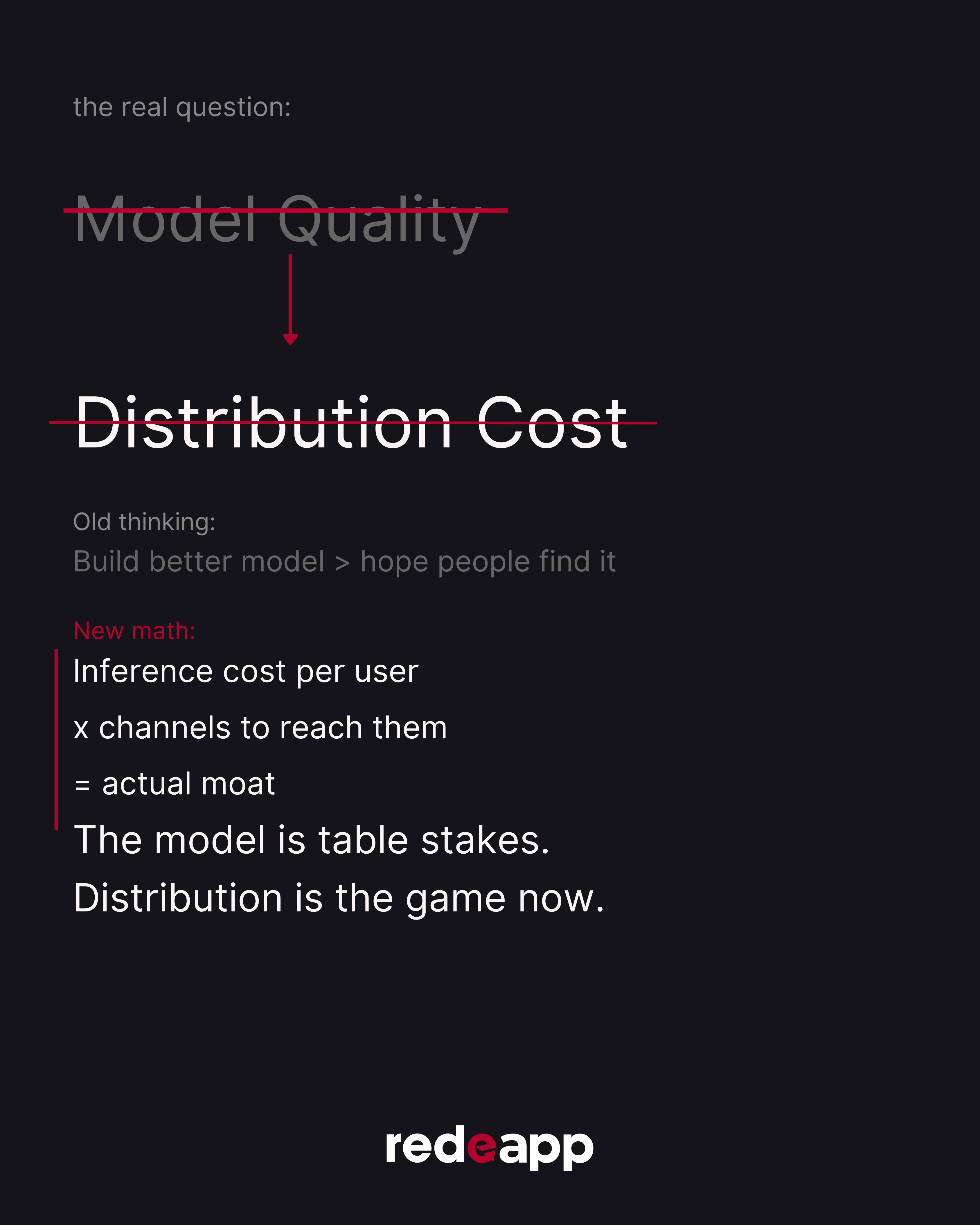
Here’s how the frontline AI ROI conversation usually goes: someone shows the model, capabilities, accuracy, benchmark results. Someone else asks how much it costs. Then someone asks if it’s worth it. The whole frame is “how good is the model, and can we justify the price?”
Wrong question. Not even close.
The model isn’t where the value is. You can rent capable AI intelligence for cents and an API call. The benchmark differences between leading models matter at the margins. The expensive, scarce, hard part is getting a governed AI answer to the exact point where frontline work actually happens.
That’s the question that determines the ROI: what does it cost to reach every deskless worker with connection, knowledge, and action, and what do you save when you finally can?
Start with the cost side. The average frontline enterprise is already paying four standing taxes that almost never appear as line items: management time consumed by routing information every shift; a stack of single-purpose tools each with its own adoption push and integration burden; an IT footprint where every tool is its own identity and audit problem; and the daily cost of information arriving at the next shift instead of the moment someone needs it. These aren’t new costs AI creates. They exist right now, in every frontline operation, invisible because they’ve been there long enough to look like the cost of doing business.
Now the benefit side. When you get governed AI to the frontline, trained on company documents, gated by the right permissions, delivered through a channel people actually use, all four taxes start collapsing at once. At GAT, ramp crews have asked Shelbe nearly 3,000 questions, not just PTO stuff, but pushback procedures, wind limits, incident reporting. At 10 minutes of reclaimed time per question and 12% adoption, that’s ~500 hours returned. Real number. Also the smallest possible version of it, one tax, one customer, early adoption. Move to 30% adoption across thousands of workers at dozens of sites, then stack the other three taxes.
The ROI conversation was never about answer quality. It was about the cost of not having one, and what it takes to close that gap at scale, for a workforce the original enterprise software stack wasn’t built to reach.
Lead with one honest number. Show it’s the smallest of four, at the lowest adoption stage, at a single location. Then let the stacking do the work.
Put this into practice
Start free in minutes, or walk through the full platform with our team.
Go
Free forever · no credit card
Set up your network and invite your team in under 10 minutes. Messaging, communities, broadcasts and file sharing included.
Create a networkPro
For growing and enterprise teams
See Shelbe AI, advanced analytics, SSO and custom workflows on your own use case.
Get a demoIt’s 2 a.m. A nurse at a senior living facility has a question about a resident’s prescription. The answer exists somewhere in the ...
You built the model. Maybe you fine-tuned it, built an agent layer on top, gave it tools and context. It answers well. The demos are solid. ...
We spent years making sure the message reaches people without a desk or an email address. Shelbe.ai is the next half of that problem: ...
New posts, product updates, and the occasional customer story — straight from the team. Unsubscribe any time.
The category we're building
RedeApp is the communication system of record — and the distribution platform for AI — in mobile work.
For frontline ecosystems in labor-forward industries, that record is the ground truth AI operations run on — the context AI reasons from, the channel it acts through, and the instrumentation it's measured against.