
May 6, 2026, 12:00:00 AM
You Can't Bolt AI onto Chaos
There’s a version of the frontline AI story that goes like this: buy the AI, train it on some documents, give workers access, and it starts ...
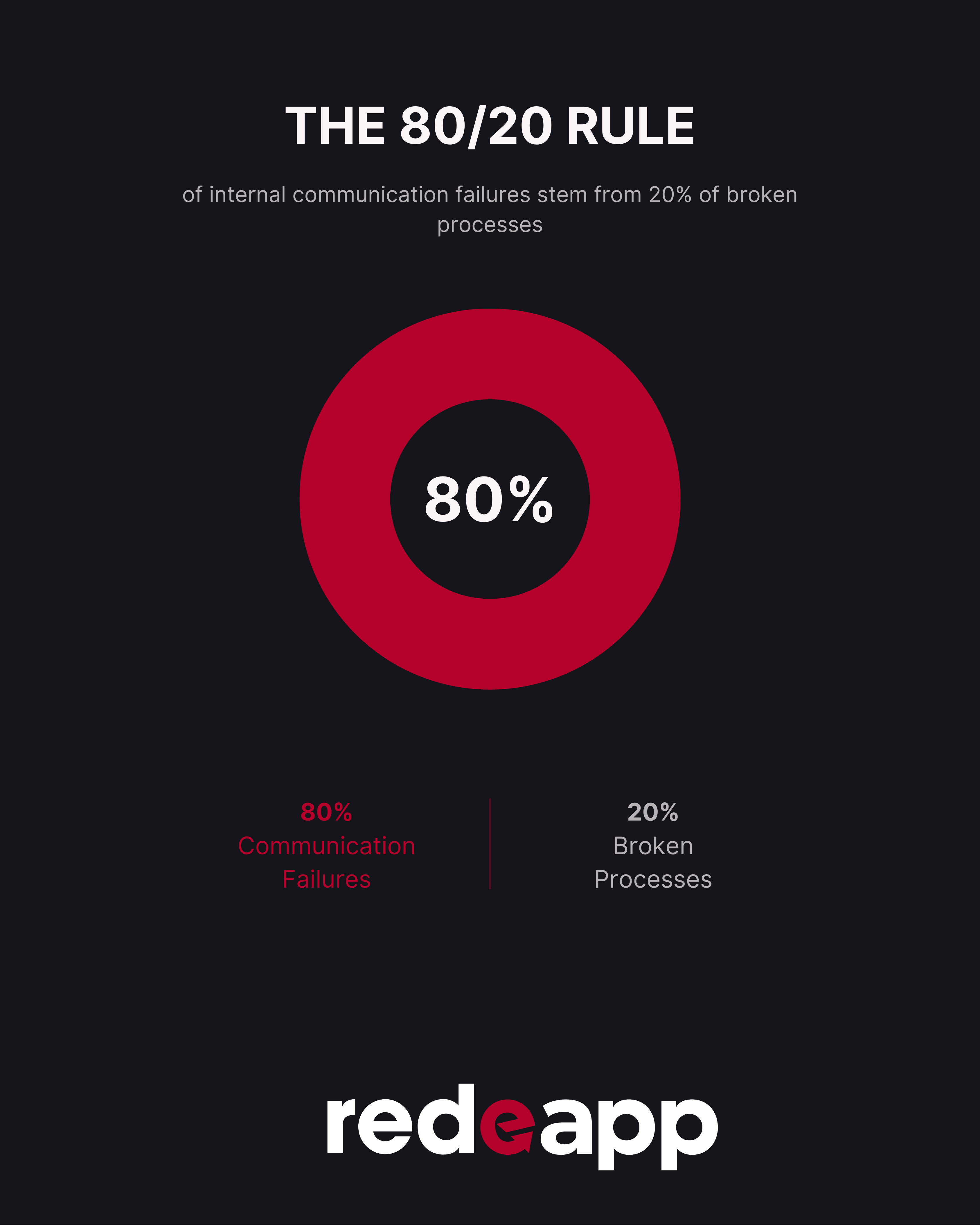
There’s a number buried in most AI deployments that doesn’t get nearly enough attention: the fallback rate. The percentage of questions the AI answers from something other than your organization’s own documents, a generic model response, a hedge, an “I don’t have information on that.”
At Shelbe, across 37 networks since November 2024, about 80% of questions get answered from the customer’s own knowledge base. The other 20% fall back. That gap is the whole story.
Here’s what most people assume about AI answer quality: that the variable is the model. Better model, better answers. That’s not wrong, but it’s not the important variable on the frontline. The important variable is context completeness, how much of what your workforce needs to know is actually captured, current, and accessible in the knowledge base.
A capable model with an incomplete knowledge base will hallucinate, hedge, or give generic answers on the exact questions that matter most: the operational procedures specific to your facilities, the policies that changed last quarter, the safety protocols for the equipment you actually run. No foundation model knows those things. Your organization knows them. And if that knowledge isn’t documented, organized, and kept current, your AI is working without its most important input.
The 80% number isn’t a benchmark to compare against other AI products. It’s a diagnostic for your own knowledge infrastructure. When it’s high, the knowledge base is doing its job. When it’s low, don’t ask “should we switch models?” Ask “what does our workforce need to know that isn’t captured anywhere they can access?”
There’s a deeper implication too. Every question a worker asks Shelbe is a data point: what do our people actually need to know, in the moment, to do their jobs? A pattern of fallback on the same category of questions is a signal, maybe there’s no documented procedure for a common task, maybe the policy exists but is locked in a system workers can’t reach, maybe onboarding material covers week one but not the questions that show up in month two.
AI makes knowledge gaps visible in a way they never were before. That alone is valuable. Not because the fallback rate is embarrassing, but because it tells you exactly where to look.
Treat 80% as a floor. And treat every point below it as a specific question: what’s missing, who owns it, and how fast can we fix it?
Put this into practice
Start free in minutes, or walk through the full platform with our team.
Go
Free forever · no credit card
Set up your network and invite your team in under 10 minutes. Messaging, communities, broadcasts and file sharing included.
Create a networkPro
For growing and enterprise teams
See Shelbe AI, advanced analytics, SSO and custom workflows on your own use case.
Get a demoThere’s a version of the frontline AI story that goes like this: buy the AI, train it on some documents, give workers access, and it starts ...
Simple question: what’s the maximum wind speed to safely cater an aircraft?
We thought we had a solid ROI model. We’d done the math, built the framework, grounded everything in real usage data. The number was real ...
New posts, product updates, and the occasional customer story — straight from the team. Unsubscribe any time.
The category we're building
RedeApp is the communication system of record — and the distribution platform for AI — in mobile work.
For frontline ecosystems in labor-forward industries, that record is the ground truth AI operations run on — the context AI reasons from, the channel it acts through, and the instrumentation it's measured against.