
Apr 20, 2026, 12:00:00 AM
You Built the Intelligence. Here's the Last Mile.
You built the model. Maybe you fine-tuned it, built an agent layer on top, gave it tools and context. It answers well. The demos are solid. ...
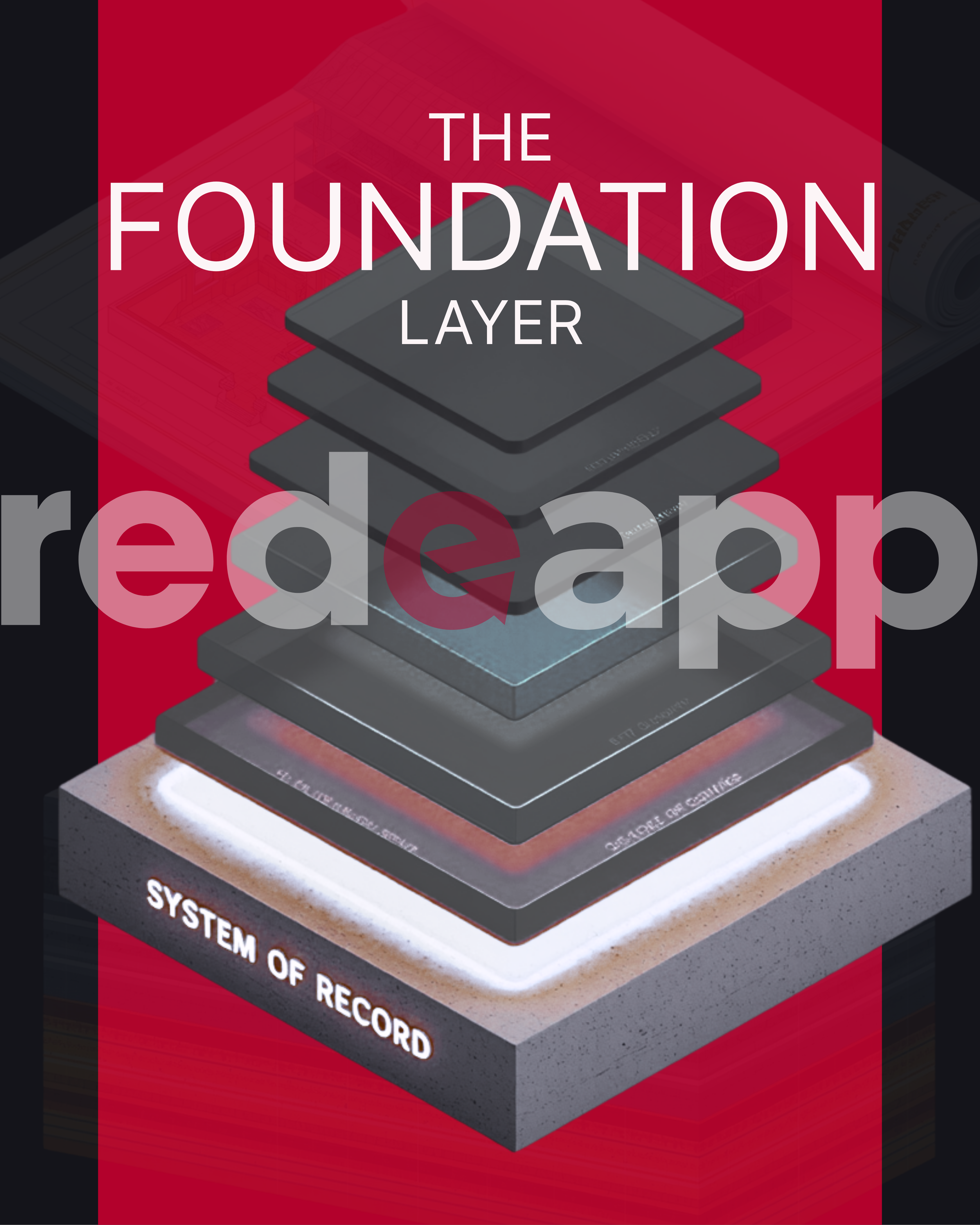
In machine learning, “ground truth” is the verified, accurate baseline a model is trained and evaluated against. It’s the known answer, the data point you can actually trust. Without ground truth, a model has nothing reliable to learn from. You might get output. But you can’t know if it means anything.
The frontline has always had a ground truth problem. Not in the machine learning sense. In the operational one.
Think about what it means to run a large frontline operation without a communication system of record. Information lives in pockets. Policy changes travel through a game of telephone, shift manager to shift manager, written on whiteboards, announced verbally, assumed to propagate. When something goes wrong, you can’t easily establish what was actually communicated, to whom, when. There’s no auditable record of who acknowledged what. The ground truth of what your workforce actually knows, at any given moment, is a guess.
That’s the precondition problem for frontline AI that most organizations haven’t hit yet. But they will.
Shelbe, or any AI assistant trained on company documents, can only answer from what’s in the knowledge base. If that knowledge base is current, accurate, and complete, the answers are useful. If it’s a collection of outdated PDFs nobody’s touched in three years, the answers are confidently wrong. The model doesn’t know the difference. It answers from what it has.
This is what the Shelbe KB answer rate actually measures. When 80% of questions get answered from the company’s own documents, without falling back to a generic model response, that’s a signal the knowledge base is doing its job. When that number is lower, the question isn’t “is the AI good enough?” It’s “is the context good enough?”
The AI era has made something crystal clear that organizations could ignore before: a communication system of record isn’t just a nice operational practice. It’s the precondition for every useful AI capability that comes after it. The context layer. The ground truth layer. The thing the intelligence has to be grounded in to be worth anything.
Organizations that get there first aren’t just winning at communication. They’re building the substrate for every AI capability that’s coming. The ones that skip that step are building on sand.
Ground truth. AI borrowed the term from science. The frontline has needed the concept all along.
Put this into practice
Start free in minutes, or walk through the full platform with our team.
Go
Free forever · no credit card
Set up your network and invite your team in under 10 minutes. Messaging, communities, broadcasts and file sharing included.
Create a networkPro
For growing and enterprise teams
See Shelbe AI, advanced analytics, SSO and custom workflows on your own use case.
Get a demoYou built the model. Maybe you fine-tuned it, built an agent layer on top, gave it tools and context. It answers well. The demos are solid. ...
Here’s how the frontline AI ROI conversation usually goes: someone shows the model, capabilities, accuracy, benchmark results. Someone else ...
At Argentum in Nashville, a rep from Synchrony Pharmacy stopped by our booth. We were running a live demo, Shelbe connected to a Trilogy ...
New posts, product updates, and the occasional customer story — straight from the team. Unsubscribe any time.
The category we're building
RedeApp is the communication system of record — and the distribution platform for AI — in mobile work.
For frontline ecosystems in labor-forward industries, that record is the ground truth AI operations run on — the context AI reasons from, the channel it acts through, and the instrumentation it's measured against.